Choosing Florida Coastal Senior Living: What to Look for in a Supportive Community
When families first start looking into senior living options along Florida's eastern shore, the choices can feel overwhelming. The promise of warm weather and ocean breezes is appealing, but the real question is whether a community can provide the right level of care, comfort, and connection. After spending years helping families navigate this decision, I have learned that the best florida coastal senior living options share a few key qualities that make all the difference.
Location and Lifestyle Are More Than Just Scenery
It is easy to fall in love with a place because of the views. But a community that truly works for a senior needs to be close to family members, medical specialists, and everyday conveniences. I have seen families choose a beautiful property only to realize that the nearest hospital is forty minutes away or that visiting grandchildren have no easy way to get there. The ideal florida coastal senior living community balances natural beauty with practical access. Look for a location that allows for regular visits from loved ones and quick access to quality healthcare. The lifestyle should match the senior's preferences too. Some people want a quiet, nature-filled setting with walking paths and gardens. Others prefer a more social atmosphere with scheduled outings and group activities. Neither is right or wrong, but the match matters.
Connect with us on Facebook.
Care Levels That Adapt Over Time
One of the biggest mistakes I see is choosing a community based solely on current needs without considering what might change in the next few years. A parent who only needs minimal help today may eventually require more support, especially if they are managing a chronic condition like dementia or recovering from a surgery. The best florida coastal senior living communities offer multiple levels of care on one campus or through a coordinated program. This is often called a continuum of care. It means that a resident can start in assisted living with help for daily tasks like medication management or bathing, and later transition to memory care or skilled nursing without having to move to a different facility. That continuity is a huge relief for families. It reduces the stress of a major move when health declines and allows the senior to stay in familiar surroundings with staff who already know them.

Personalized Support, Not One-Size-Fits-All
Every senior has a unique history, personality, and set of preferences. Some are early risers who want breakfast at seven and a full day of activities. Others prefer a slower pace and value quiet time. A good community recognizes these differences and builds care plans around the person, not the other way around. I have toured places where the daily schedule is rigid and residents have little say. That can work for some, but for many it feels like a loss of independence. The most effective approach is personalized support. This means staff take time to learn what each resident enjoys, what their routines have been, and what makes them feel safe and respected. It might be as simple as remembering that Mrs. Smith likes her coffee with a splash of milk and a morning crossword, or that Mr. Jones prefers to shower in the evening rather than the morning. These small details build trust and dignity.
Memory Care That Goes Beyond Basic Safety
Memory care is a specialized service that demands more than just locked doors and a secure perimeter. True memory care programs are designed around the specific needs of people living with Alzheimer's or other forms of dementia. They use structured routines, sensory stimulation, and trained staff who understand how to communicate and redirect without causing distress. When evaluating a memory care program, I always ask about staff training ratios and how they handle challenging behaviors. I also look at the physical environment. Are there secure outdoor spaces where residents can walk safely? Is the lighting designed to reduce confusion and agitation? Is there a calm, homelike atmosphere rather than a clinical one? These factors have a real impact on quality of life. A community that invests in memory care properly is worth the extra cost.
Respite Services: A Short-Term Solution That Can Make a Big Difference
Not every family needs full-time placement right away. Sometimes a senior just needs temporary support while a primary caregiver recovers from surgery, takes a vacation, or handles a personal emergency. Respite care is designed for exactly this situation. It gives the senior a chance to stay in a professional setting for a few days or weeks while the caregiver gets a break. I have seen respite services prevent caregiver burnout and give families the confidence to continue providing care at home for longer. It can also be a gentle way for a senior to try out a community before making a permanent decision. Many people find that they enjoy the social interaction and support more than they expected, which opens the door to a longer stay later.

What to Look for During a Visit
If you are visiting a potential community, there are a few things to pay attention to beyond the brochure. First, notice how staff interact with residents. Do they use names? Do they make eye contact and smile? Are they patient? Second, look at the cleanliness and maintenance. A well-kept building shows respect for the people who live there. Third, observe the food. Meals are a big part of daily life, and quality matters. Ask to see a menu and if possible, try a meal. Fourth, talk to current residents if they are willing. Ask what they like most and what they wish was different. Fifth, review the activities calendar. Is there variety? Are there options for different interests and ability levels? These observations give you a much clearer picture than any website can provide.
Making the Decision With Confidence
Choosing a senior living community is never easy. It involves emotion, logistics, and financial considerations all at once. But by focusing on the factors that truly affect daily life, families can make a choice that supports both safety and happiness. A community that offers personalized care, flexible levels of support, and a genuine connection to the local area will serve a senior well for years to come.
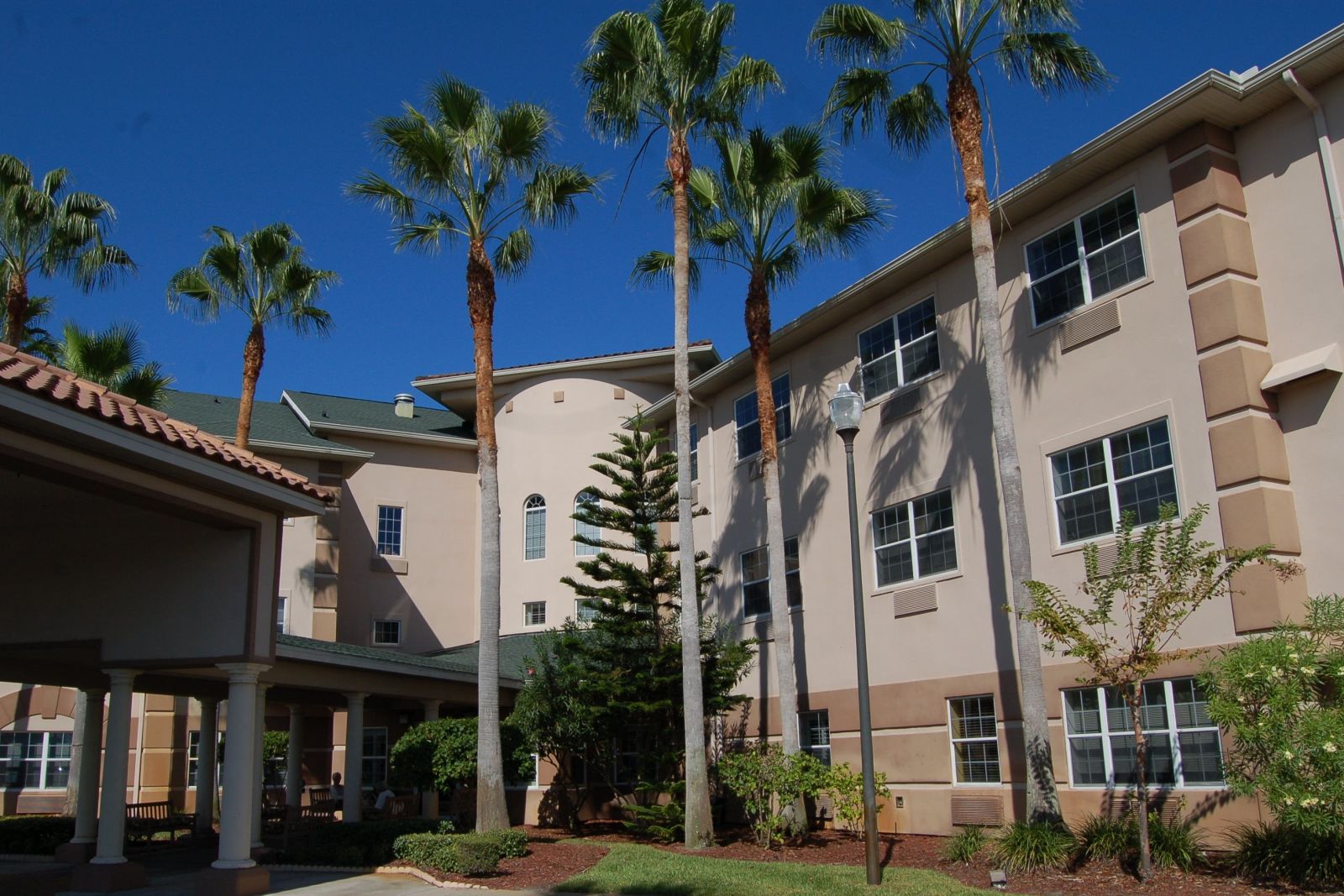
If you are exploring options in Brevard County, Hibiscus Court located at 540 E Hibiscus Blvd, Melbourne, FL 32901, USA, and reachable at +1 321-361-5997, provides assisted living, memory care, and respite services with personalized support for seniors and their families.